Home » Posts tagged 'performance assessment'
Tag Archives: performance assessment
Performance Assessment
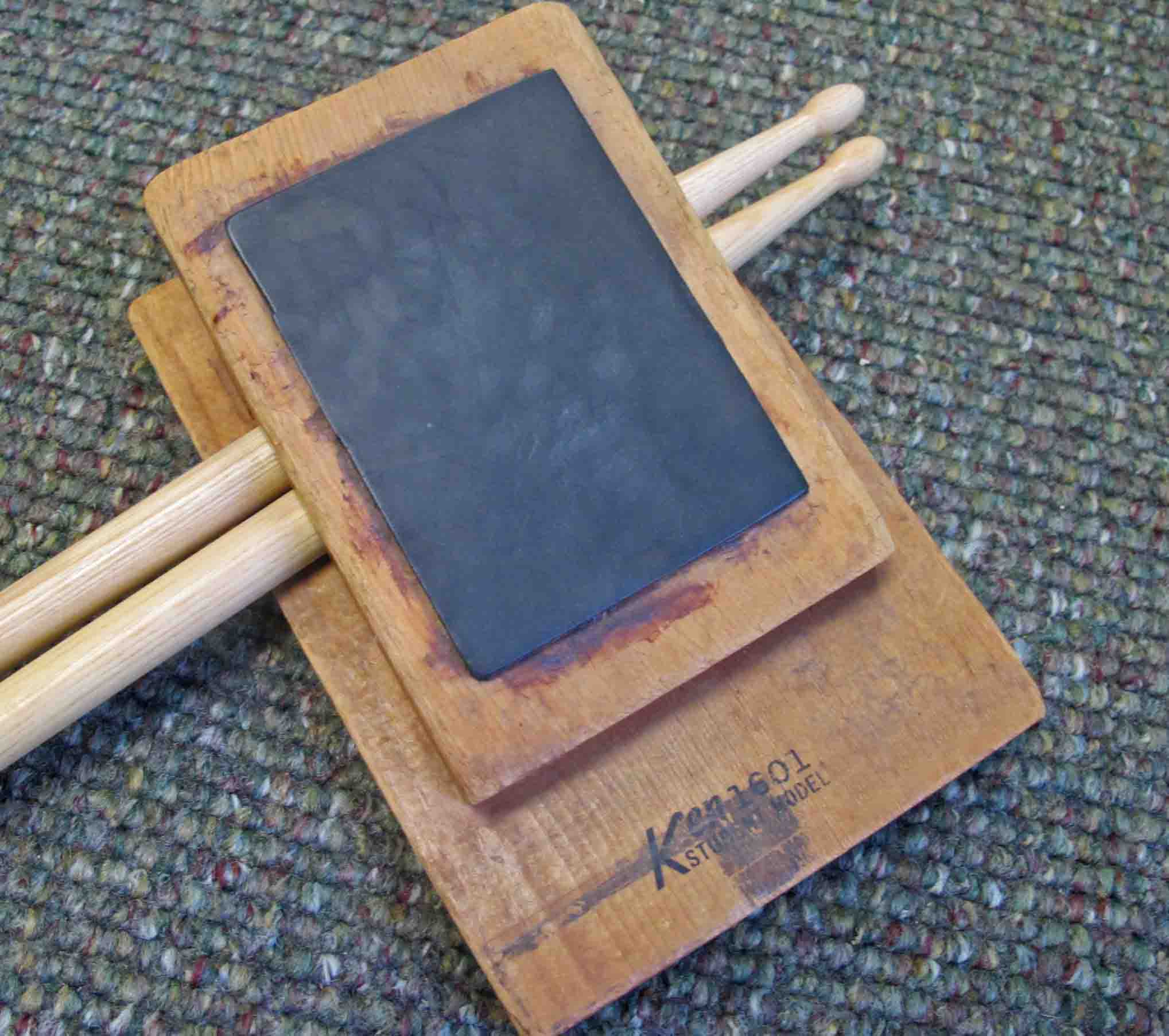
Practice pad that gave my parents some relief from the loud drumming.
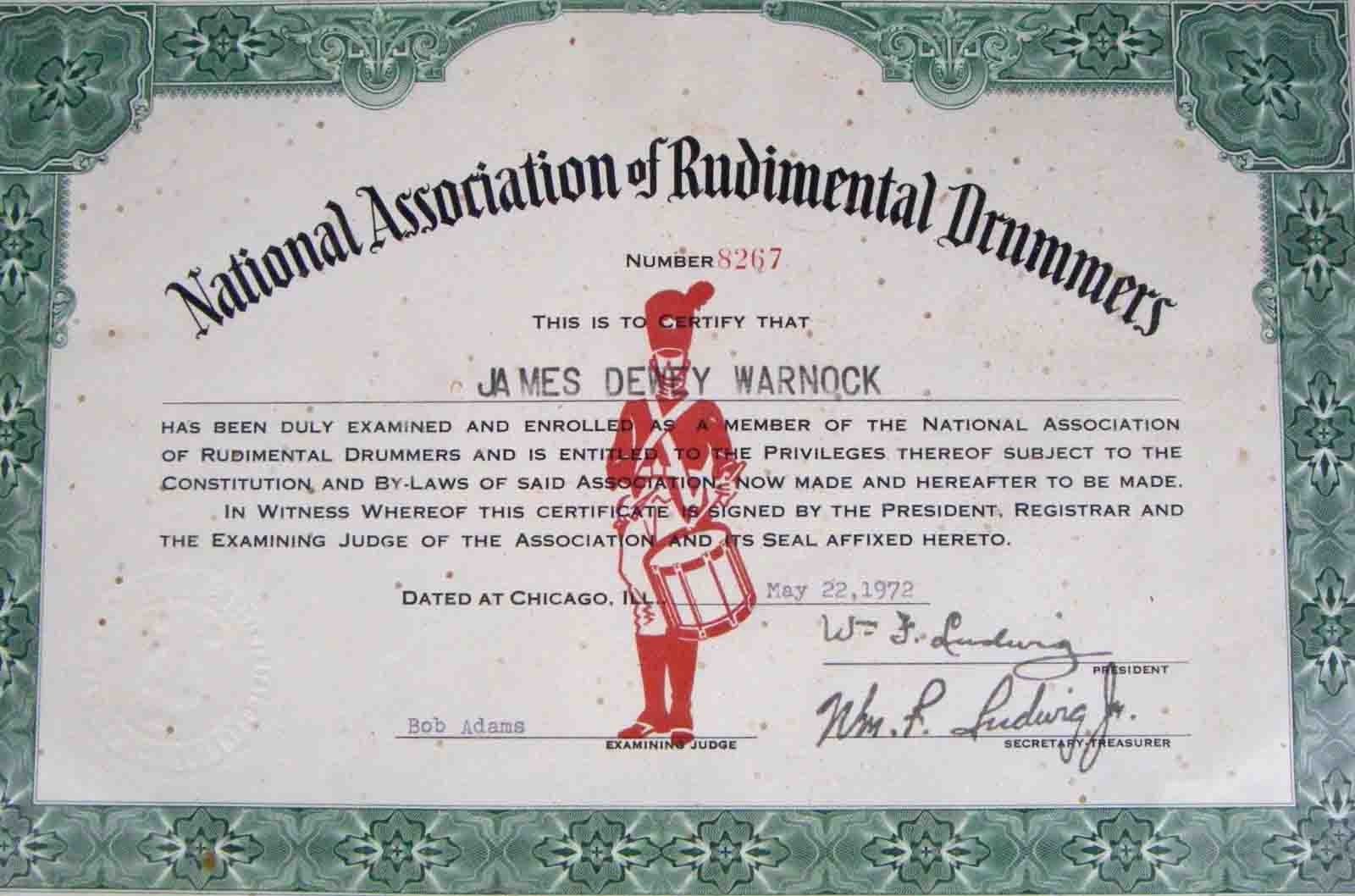
“Let’s try it again with a little lower left hand position prior to the double bounce of the paradiddle.” This is typical of the comments that could be heard during my drum lessons in the 10th grade. Little did I know that I was actually experiencing authentic performance assessment. My teacher, Bob Adams, wanted me to qualify for membership in the National Association of Rudimental Drummers. The requirements included performing the 13 essential drum rudiments to a high level of proficiency, far beyond what I thought I could achieve.
Over a period of several months I played these rudiments during lessons. Mr. Adams demonstrated how to improve my performance and then invited me to try again after more practice. His demonstrations were just short of miraculous to this young drummer, but I did my best to imitate his technique.
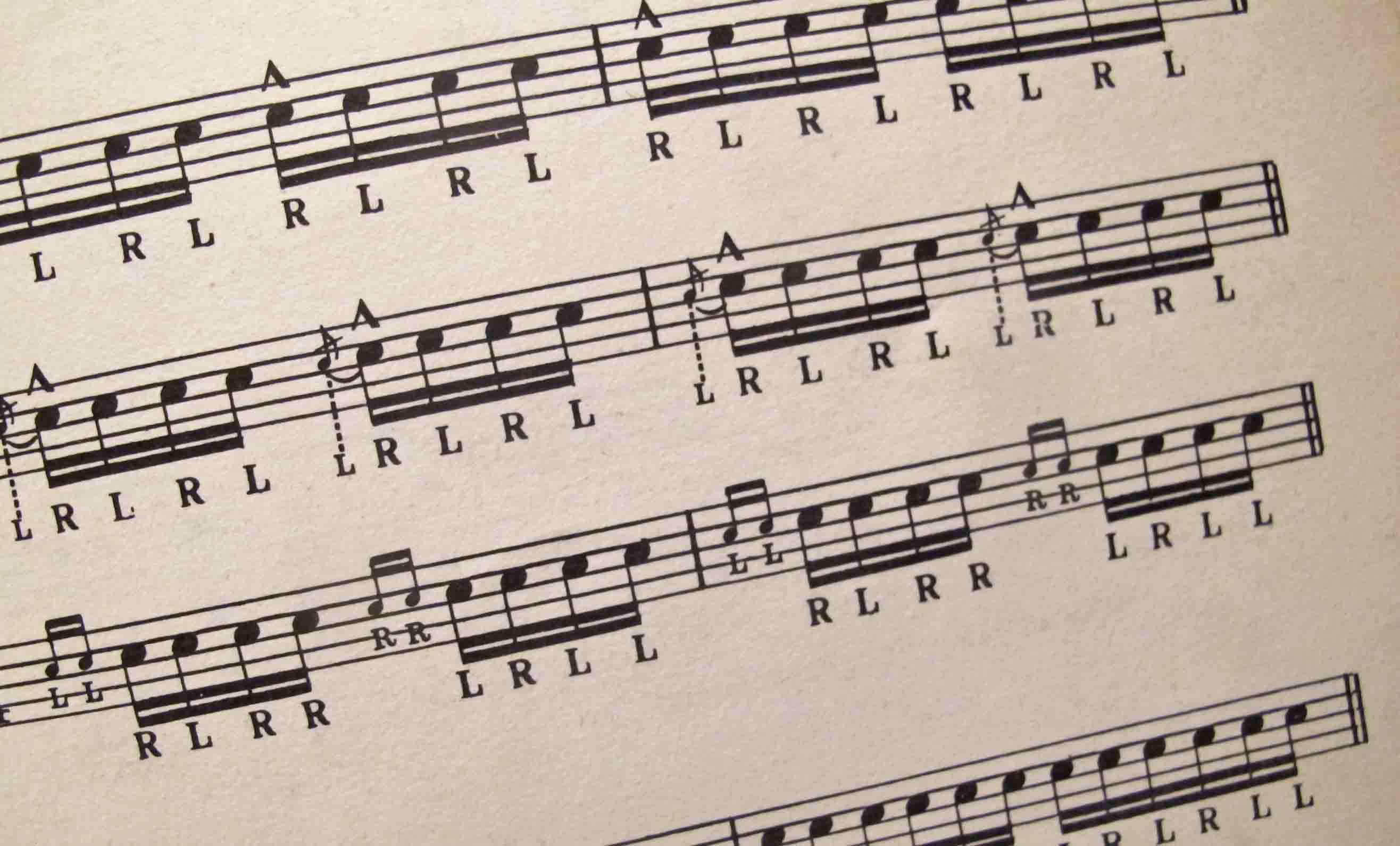
For many evenings I practiced these rhythmic patterns with funny names like paradiddle, flamacue, long roll, and ruff. My non-drummer friends didn’t understand what I was doing or why. My parents endured strange rhythmic patterns incessantly tapping from slow to fast and back to slow again. Only my teacher truly understood and his expectations were clear. Finally, after months of work, Mr. Adams congratulated me on performing the requirements up to standard. I still feel pride in this accomplishment.
Mr. Adams never said, “I’ll hear you play and give you a percentage grade.” He never said, “If you want to settle for a C, we’ll stop working on this and go to something else.” Statements like this would have sounded absurd to me even though this was the approach in many of my other classes at the time. Cover the material, test over the material, and move on regardless of mastery.
Music was different! It was a process of building knowledge, increasing skills, and real life performance. Tremendous learning and improvement occurred. No grades were assigned other than occasional ratings based on a performance rubric. Even these were not viewed as final. A Third Division rating meant there was much work to be done. The goal was a First Division. Fourth or Fifth Division ratings were completely unacceptable. Expectations for performance were clear.
Thank goodness other academic areas are coming around to “performance assessment” learning. We’re seeing more use of standards-based assessment and formative assessment even though percentage grades seem permanently entrenched in the United States. If we want our children to experience deep learning that is retained and used, we’ll need to limit our dependence on grades as final events and view assessment as an on-going process toward higher levels of achievement using tasks that are authentic and meaningful.
 Principal Notes